
Binance Exchange Investments: Which Platforms It Backed and How to Use Them in 2025

Binance, the world’s largest cryptocurrency exchange by trading volume, has not only built its own ecosystem but has also strategically invested in several other cryptocurrency exchanges over the years. These investments are part of Binance’s broader strategy to expand its influence, foster market liquidity, and drive global crypto adoption. Understanding which exchanges Binance has backed—and how to use these platforms—can provide traders and investors with valuable options for trading, earning, and accessing new tokens.
One of the most notable exchanges that Binance has invested in is WazirX, a leading Indian cryptocurrency exchange. Binance acquired WazirX in 2019, integrating it into its global network while allowing Indian users to trade seamlessly. To use WazirX, you can sign up directly on its website or mobile app, complete KYC verification, and deposit funds via bank transfer or cryptocurrency. The platform supports a wide range of tokens and offers features like spot trading, staking, and a peer-to-peer (P2P) fiat gateway. Many users also link their Binance account to WazirX for automatic token transfers, enabling them to participate in Binance Launchpad events.
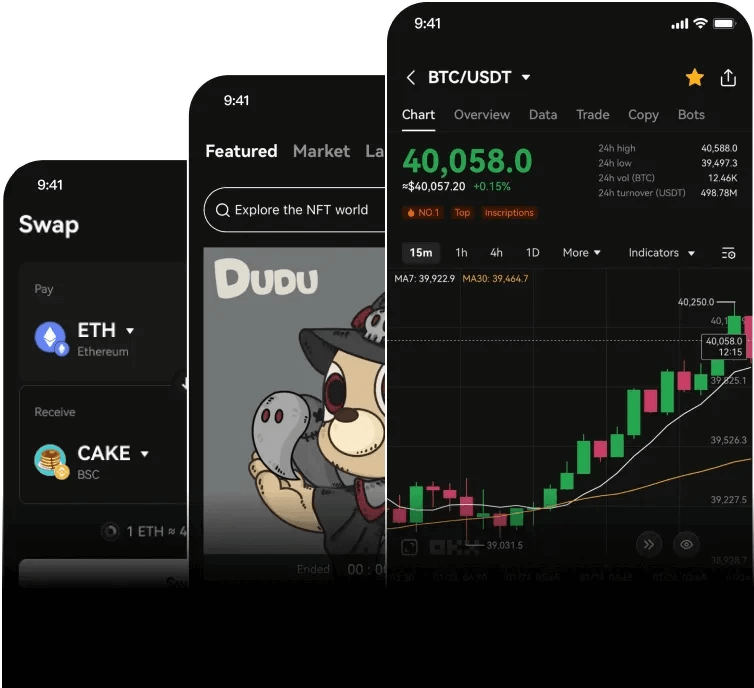
Another significant Binance investment is in the decentralized exchange (DEX) PancakeSwap, which operates on the Binance Smart Chain (now BNB Chain). While PancakeSwap is not owned by Binance, the exchange has provided funding and technical support to accelerate its growth. To use PancakeSwap, you need a Web3 wallet such as MetaMask or Trust Wallet, which you connect to the BNB Chain network. Then, you can swap tokens, provide liquidity to earn fees, or farm yield in liquidity pools. PancakeSwap’s user interface is simple, and its low transaction fees on BNB Chain make it a popular alternative to Ethereum-based DEXs.
Binance also invested in FTX during its early stages, though this relationship ended after FTX’s collapse in 2022. As of 2025, Binance has moved on to back newer exchanges like C2C (a peer-to-peer trading platform in Africa) and Coin98 (a multi-chain DeFi aggregator). To use C2C, users register on the platform, verify their identity, and trade directly with other users using Binance’s fiat-to-crypto rails. Coin98, meanwhile, functions as a wallet and DEX aggregator, allowing users to trade across multiple blockchains without leaving a single interface. Simply download the Coin98 wallet, fund it with crypto, and use the built-in swap feature to execute trades.
It is also important to note that Binance has invested in regional fiat on-ramps like Simplex and Banxa, which facilitate the purchase of crypto using credit cards. If you want to use these services, you simply choose the “Buy Crypto” option on Binance’s main platform, select your fiat currency, and pay via card. Banxa and Simplex handle the compliance and payment processing behind the scenes, ensuring funds are delivered to your Binance wallet quickly.
For traders looking to leverage Binance’s investment reach, the key is to first open a Binance account for core trading, then explore the invested platforms for niche needs—such as accessing Indian market tokens on WazirX or low-fee DeFi farming on PancakeSwap. Always verify the official websites and contract addresses to avoid scams. Binance’s investment history shows a clear pattern: it backs platforms that either expand its geographical reach or enhance the utility of its native blockchain ecosystem. Whether you are a beginner or an advanced user, these affiliated exchanges offer unique features that complement Binance’s core services.

发表评论