
How to Use Binance Wallet for Official Trading: A Beginner’s Complete Guide
Binance Wallet is a core tool for anyone looking to trade, store, or manage digital assets directly through the Binance ecosystem. While many users are familiar with the Binance exchange itself, the official Binance Wallet—often referred to as the Binance Web3 Wallet or the self-custody wallet integrated into the Binance app—offers a secure, decentralized way to interact with blockchain networks. Understanding how to use Binance Wallet for official trading is essential for both beginners and experienced crypto users.
First, it is important to clarify what “Binance Wallet official trading” means. In most cases, users access the Binance Wallet through the Binance mobile app or the browser extension. This wallet is non-custodial, meaning you hold your own private keys. However, it is tightly integrated with the Binance exchange, allowing you to transfer assets between your wallet and your trading account instantly. This is where official trading becomes seamless. You can fund your wallet from the exchange, then use that wallet to trade on decentralized exchanges (DEXs) or participate in token launches directly from the wallet interface.
To get started, you need to download the official Binance app from the official website or a trusted app store. Never use third-party links. Once installed, set up your wallet by creating a new wallet or importing an existing one. The process will generate a 12-word recovery phrase. Write this down and store it offline. This phrase is the only way to recover your funds if you lose access.
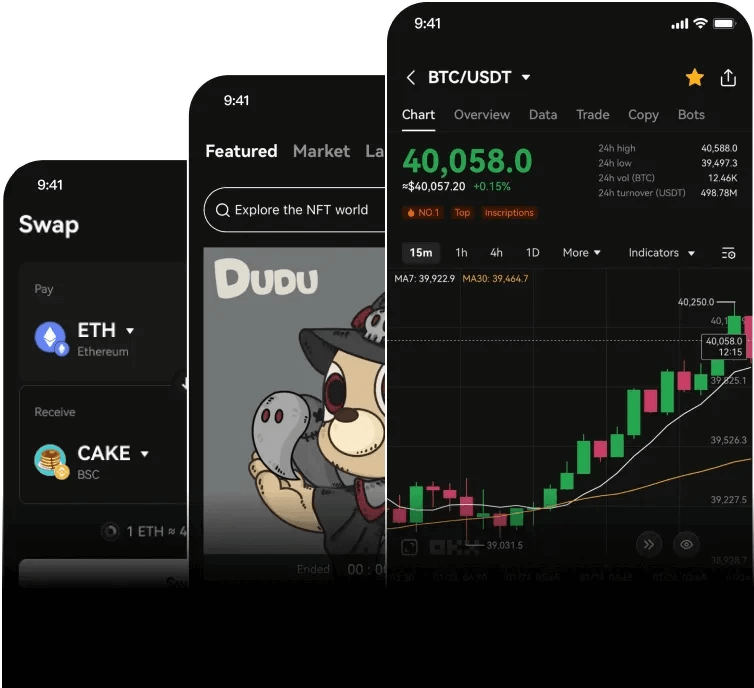
After setting up the wallet, navigate to the “Wallet” section within the Binance app. Here, you will see both your funding wallet (exchange account) and your Web3 wallet. To trade officially, you need to transfer funds from your exchange wallet to your Web3 wallet using the “Transfer” function. Once the assets are in your Web3 wallet, you can connect to various decentralized applications (DApps) directly through the wallet’s built-in browser. This allows you to trade tokens on PancakeSwap, Uniswap, or other DEXs without leaving the Binance environment.
Security is a major concern for any wallet user. Binance Wallet offers multiple layers of protection, including biometric authentication, transaction signing, and phishing detection. Always verify the website you are connecting to before approving any transaction. Scammers often create fake sites that mimic official trading platforms. Additionally, never share your private keys or recovery phrase with anyone. Binance will never ask for this information.
Another important feature is the ability to trade cross-chain assets. Binance Wallet supports multiple blockchains, including BNB Smart Chain, Ethereum, Polygon, and others. This means you can swap assets across different networks without leaving the wallet interface. Official trading through Binance Wallet also gives you access to exclusive token sales and airdrops that require a connected wallet.
For users who prefer trading on the Binance centralized exchange, the wallet acts as a secure intermediary. You can deposit funds from the wallet into the exchange for spot trading, futures, or staking. The official integration ensures that transactions are fast and fees are minimized. Always check the network fees before making a transfer, as they vary by blockchain.
In summary, Binance Wallet is more than just a storage tool. It is a full-featured trading gateway that bridges centralized and decentralized finance. By using the official wallet, you maintain control over your assets while enjoying seamless access to the Binance trading ecosystem. Whether you are a casual trader or an active DeFi user, understanding how to properly set up and use the Binance Wallet for official trading is a critical skill in the crypto space.

发表评论